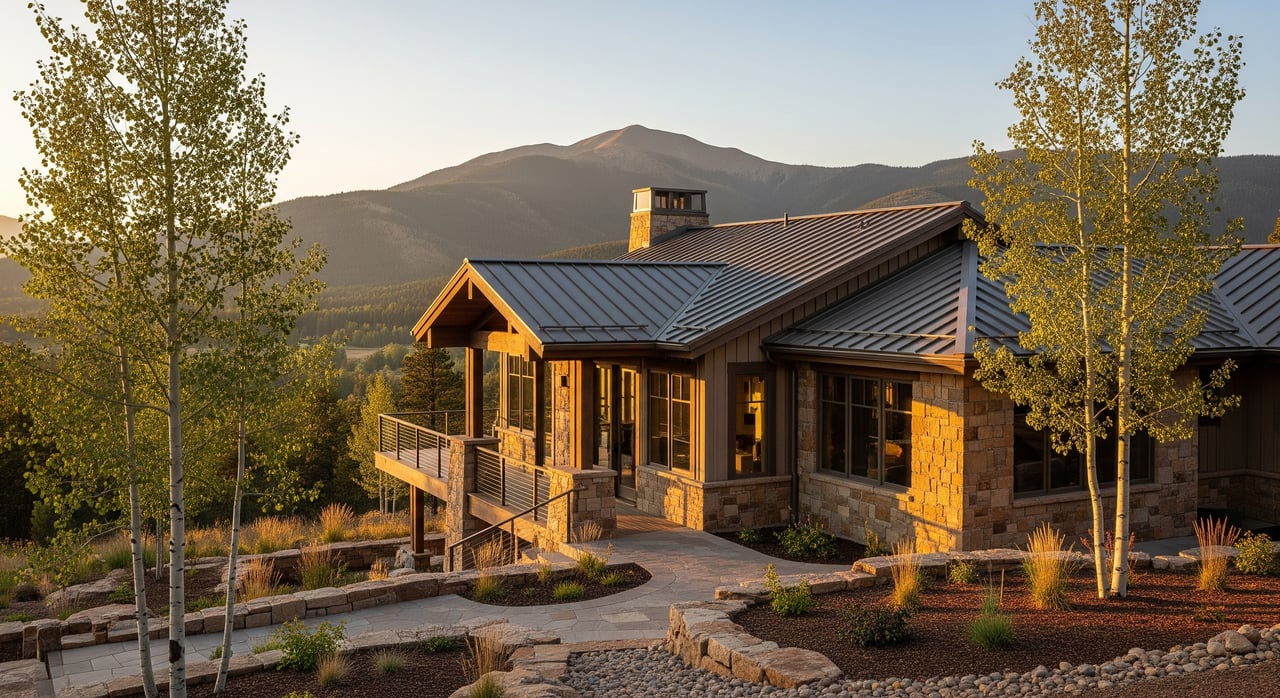
A single wind-driven ember can travel a mile and still ignite a roof or deck. If you live along North Turkey Creek in Bear Mountain or Club Creek, you know the risk is real and seasonal. You also want a plan that fits your budget and makes a measurable difference. In this guide, you’ll learn which upgrades matter most, how to create defensible space, and where to tap local programs and grants. Let’s dive in.
Why resilience matters here
Evergreen’s Community Wildfire Protection Plan details neighborhood fuels, slopes, and evacuation routes, and it prioritizes mitigation projects for communities like Bear Mountain and Club Creek. You can review neighborhood-level recommendations in the Evergreen CWPP.
Wildfire behavior in the foothills is driven by fuel loading, topography, and ember showers. The Colorado State Forest Service emphasizes two pillars for your property: reduce your home’s ignitability and create defensible space around it. See the CSFS overview of the home ignition zone and mitigation steps in their Protect Your Home & Property guidance.
Start with low-cost wins
Small actions close to the house deliver outsized protection.
- Clear roofs and gutters of needles and leaves. Repeat after wind or heavy fall needle drop.
- Create a 0 to 5 foot noncombustible zone with gravel, stone, or pavers. Remove bark mulch against siding.
- Move firewood, gas grills, and propane tanks at least 30 feet from structures and never store them under decks.
- Fit attic, soffit, and crawlspace vents with corrosion-resistant metal mesh about 1/8 inch, or install ember-resistant vents.
- Clean under decks and close gaps where debris collects. Enclose under-deck areas when feasible.
- Add a spark arrestor to chimneys and keep branches pruned away from roofs.
Prioritized upgrade plan
Immediate actions
- Remove all combustibles within 5 feet of the house, including wood planters and stored lumber.
- Prune branches that overhang roofs and thin ladder fuels that let fire climb from ground to canopy.
- Keep grass short in the near landscape. Aim for less than about 6 inches.
Short-term upgrades
- Install ember-resistant vents or metal mesh on attic, soffit, and foundation openings.
- Add metal gutter guards and switch to noncombustible gutters when replacing.
- Replace combustible lattice near the house with noncombustible alternatives.
Medium upgrades
- Upgrade vulnerable windows to dual-pane or tempered glass, or add exterior ember screens where practical. The IBHS Wildfire Prepared Home guidance outlines effective window and opening strategies.
- Rebuild or retrofit decks with ignition-resistant details and enclose under-deck areas.
Long-term investments
- Replace non-rated roofing with a Class A roof when your roof nears end of life. A Class A covering is one of the most impactful upgrades.
- Replace or re-detail siding to ignition-resistant assemblies and maintain a 6 inch noncombustible clearance at the base where practical.
- Consider pursuing an IBHS Wildfire Prepared Home designation as a roadmap for comprehensive mitigation.
Defensible space by zone
Zone 1: 0 to 5 feet
- Keep this area essentially noncombustible. Use stone, pavers, and irrigated, low-flammability plants sparingly.
- Do not store firewood, furniture cushions, or propane tanks here.
- Maintain clean siding and seal gaps where embers could lodge.
Zone 2: 5 to 30 feet
- Thin shrubs and separate tree crowns. Prune lower branches to reduce ladder fuels.
- Mow or string-trim grass to keep it short during fire season.
- Break up horizontal continuity of vegetation and remove dead wood.
Zone 3: 30 to 100+ feet
- Reduce overall fuel loading with selective thinning and removal of dense stands.
- Coordinate with neighbors for larger treatment areas that create effective fuel breaks.
- Use local chipping and SLASH resources for economical debris removal.
For zone details and best practices, refer back to the CSFS home ignition zone guidance.
Local programs and help
- Evergreen Fire Rescue assessments and grants. EFR participates in the regional Wildfire Prepared Home program and offers a matching grant for defensible space projects when you complete an assessment and use approved contractors. Review steps and current rules on the Evergreen grant program page.
- Schedule your assessment. Request a local Wildfire Prepared assessment through the Wildfire Prepared portal. Many programs require this step before work begins.
- Debris removal. Jefferson County’s SLASH collection offers seasonal drop-off sites and neighborhood chipping to handle limbs and slash at low cost.
- Tax incentives. Colorado provides a wildfire mitigation income tax credit or subtraction for qualifying expenses. Review eligibility and documentation requirements on the Colorado Department of Revenue site and consult your tax advisor.
- Neighborhood coordination. The Bear Mountain HOA supports a Fire Ambassador Team that organizes education and mitigation efforts. Stay connected through the Bear Mountain HOA and local partners like Rotary Wildfire Ready.
Quick start steps:
- Book an assessment and walk your property with a specialist. 2) Tackle Zone 1 and roofline maintenance first. 3) Use SLASH or neighborhood chipping for debris. 4) Apply for EFR grants where eligible and save receipts for state tax filings.
Keep it maintained
Wildfire mitigation is not one-and-done. Build a recurring schedule so your work keeps its value.
- Spring: clean roofs and gutters, check vent screens, prune branches off roofs, and test irrigation around the 0 to 5 foot zone.
- Summer: keep grass short, move any re-appearing combustibles away from the house, and confirm deck areas are free of debris.
- Fall: remove needle drop, check under-decks, and clear chimneys with spark arrestors in place.
- After wind or snow: re-check screens, roof debris, and fencing near the home for ember catch points.
Selling or buying in Evergreen
Wildfire readiness has become part of due diligence for many foothills buyers. Clear defensible space, a Class A roof, and documented upgrades can support smoother insurance conversations and help buyers feel confident about a property’s resilience. If you plan to list, a targeted mitigation plan pairs well with pre-market preparation and clear documentation for showings.
If you want a practical, property-specific plan or help aligning pre-listing improvements to buyer expectations, connect with Kelli Anderson for local guidance and trusted contractor introductions.
FAQs
What makes Bear Mountain and Club Creek homes vulnerable to wildfire?
- Embers, pine needle buildup, and ladder fuels on slopes increase risk; the Evergreen CWPP highlights local conditions and prioritizes mitigation so you can focus on the most effective steps first.
What is the best first step for homeowners near North Turkey Creek?
- Schedule a Wildfire Prepared assessment through the regional portal, then clear the 0 to 5 foot noncombustible zone and clean roofs and gutters before tackling larger projects.
How much do fire-resistant upgrades typically cost in Jefferson County?
- Low-cost tasks often run under a few hundred dollars; moderate items can be a few hundred to a few thousand; large projects range to tens of thousands, with many retrofit packages falling around 2,000 to 15,000 dollars according to public estimates like Axios.
What programs help dispose of slash near Evergreen?
- Jefferson County SLASH provides seasonal drop-off and neighborhood chipping options that make debris removal easy and affordable.
Do these upgrades affect home insurance in Colorado?
- Some insurers recognize mitigation based on standards such as IBHS Wildfire Prepared Home, but policies vary, so document your work and ask your carrier how it affects premiums or eligibility.
Do I need a Class A roof to be safer in a wildfire?
- A Class A roof is one of the most impactful upgrades for ember resistance, yet you can reduce risk now by screening vents, cleaning gutters, and maintaining the 0 to 5 foot zone while you plan for a roof replacement.