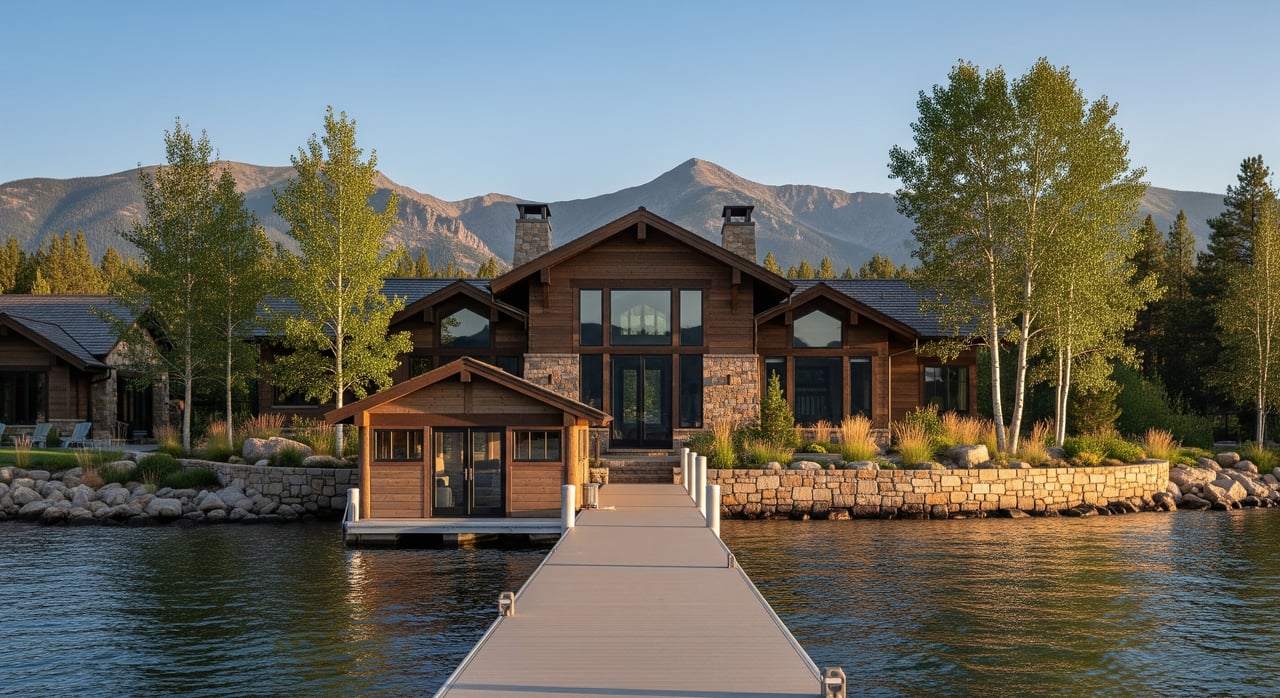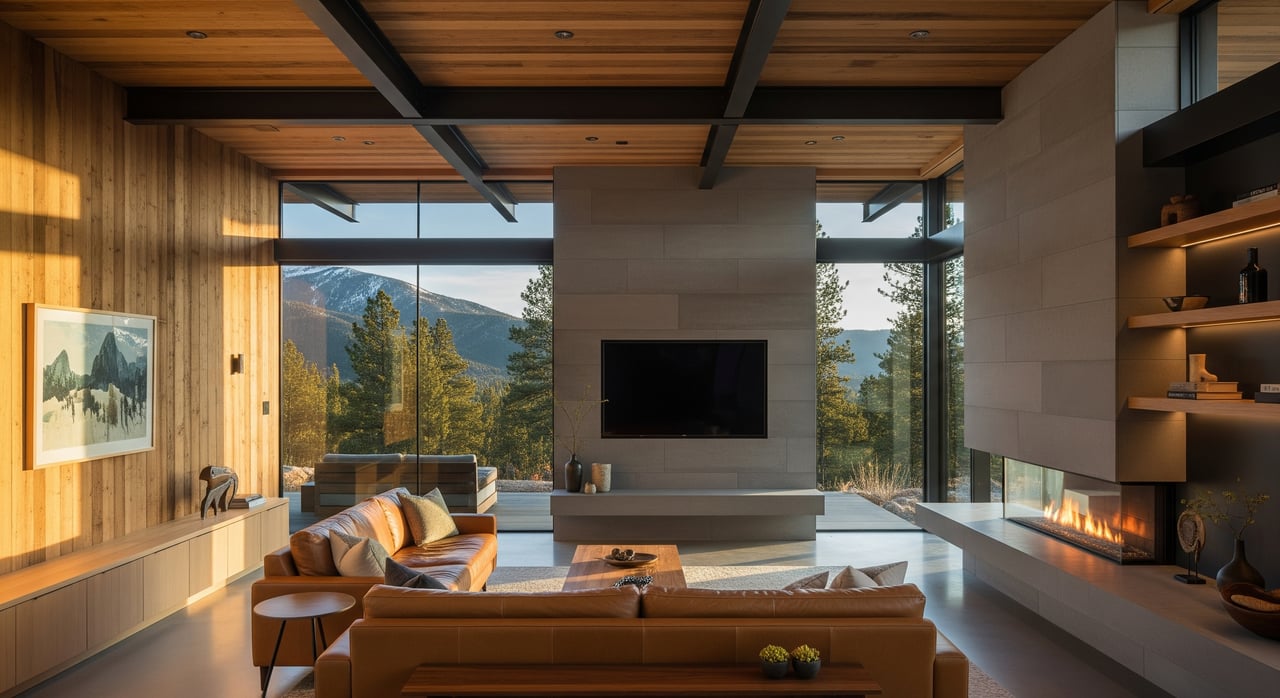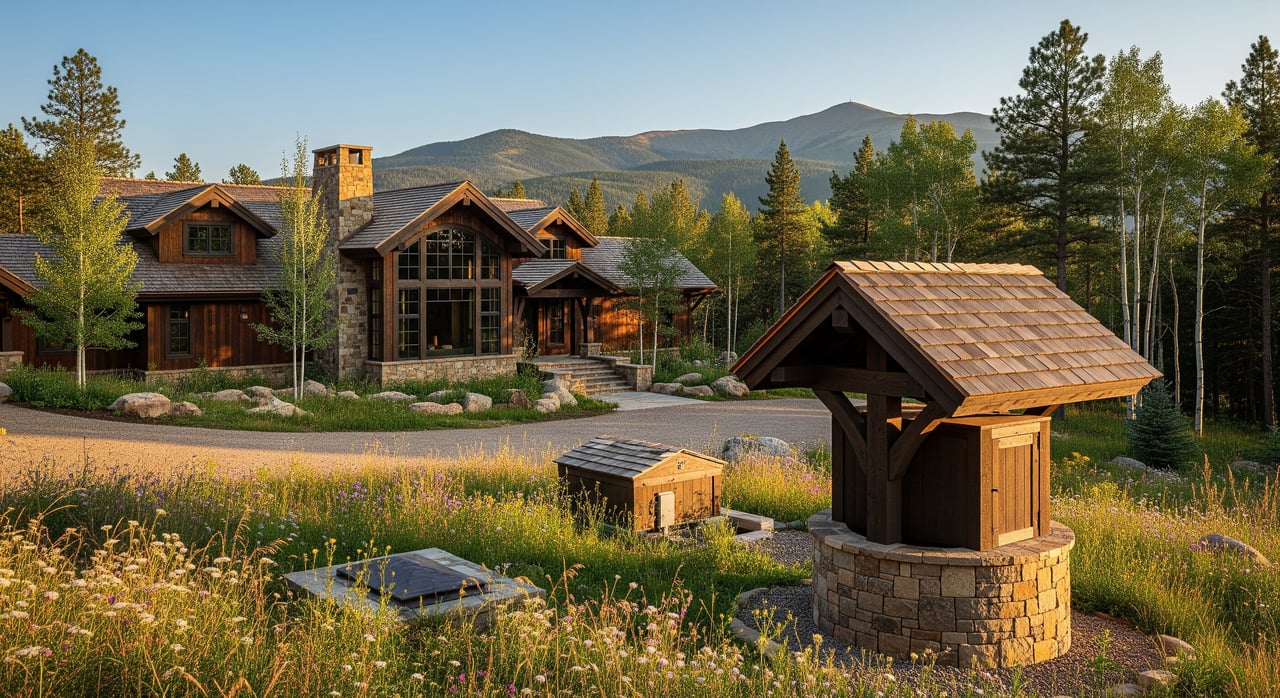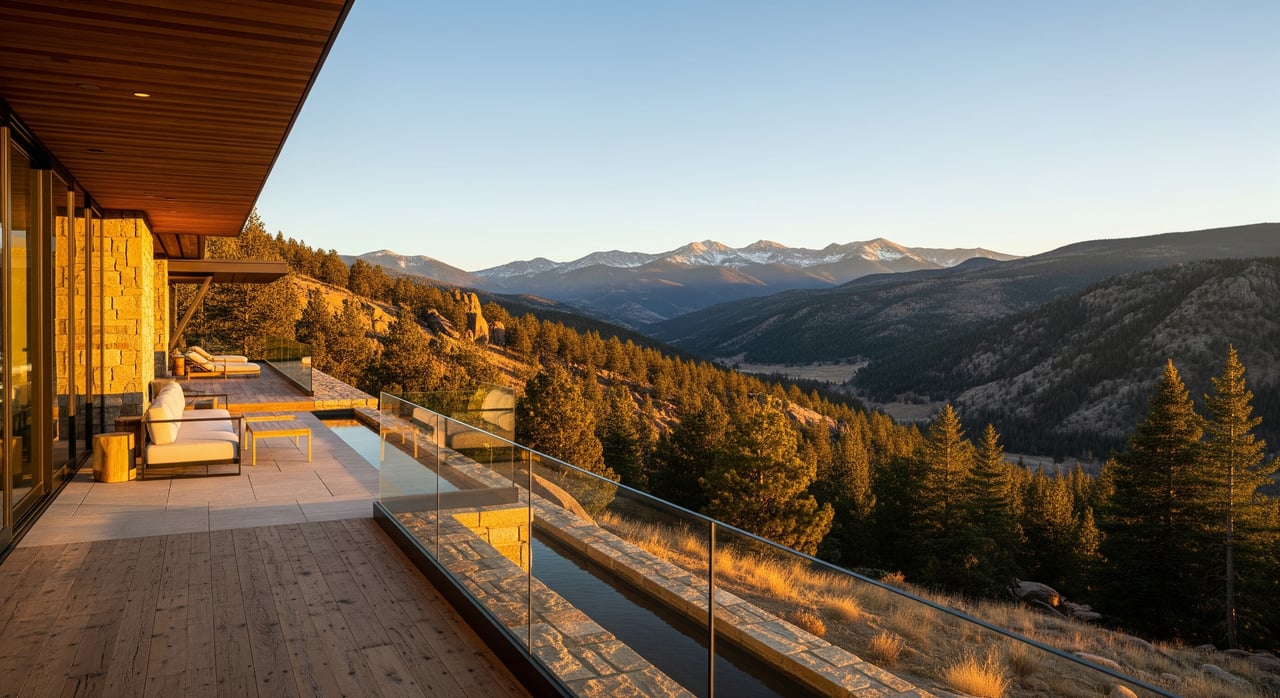
Ever wonder why two similar homes along Upper Bear Creek close at very different prices? In our mountain market, the answer often comes down to what you see through the windows and from the deck. If you are buying or selling, understanding how views translate into value can help you price with confidence and negotiate well. In this guide, you will learn how appraisers and buyers quantify views, what matters most in Upper Bear Creek and Troutdale, and how to document your property’s view for maximum impact. Let’s dive in.
Why views matter here
In mountain markets, views are more than a perk. They are a scarce amenity that buyers consistently seek. Long-range ridgelines, open meadows, and creek corridors create a sense of openness, privacy, and lifestyle that you cannot easily replace.
Views also create measurable utility because they are durable. A home with a protected line of sight often holds value better over time. In areas like Upper Bear Creek with low inventory and lifestyle-driven demand, premiums for strong views tend to be more consistent than in high-inventory suburban areas.
Seasonality matters. Leaf-on and leaf-off conditions change what you see and hear. Appraisers and buyers look at whether a view is permanent or likely to change due to tree growth or future building on nearby parcels.
How value gets measured
Sales comparison approach
For single-family homes, appraisers rely on recent comparable sales and adjust for differences. To size a view premium, they seek comps in the same submarket that show clear view differences while staying similar in size, age, and condition.
Paired sales and limits
A paired-sales analysis compares two very similar properties where the main difference is the view. This can isolate the impact of a view if there are enough sales to compare. In Upper Bear Creek, low turnover can make clean pairs hard to find, so professionals combine data with experienced judgment.
What appraisers weigh
- View type and scale: panoramic mountain ridgeline vs. a small valley opening.
- Exposure from main living areas: living room windows and primary deck orientation matter more than secondary spaces.
- Permanence: protected open space, parks, or easements signal durable views. A vacant lot next door can add risk.
- Privacy and line-of-sight: how much neighbor or road activity intrudes into the view.
- Proximity to negatives: visible utilities, dense development, or burn scars can reduce a premium.
- Market evidence: differences in time on market and list-to-sale price ratios between view and non-view homes.
Upper Bear Creek view drivers
Mountain ridgelines
Long-range ridgelines and peak glimpses are a top value driver. In Upper Bear Creek, properties oriented toward open sky and distant slopes often attract stronger interest because the sightlines feel expansive and rare.
Meadow and open space
Meadow exposure can rival mountain vistas in perceived value. The sense of openness and unobstructed horizons, especially when tied to protected land or conservation mechanisms, makes a property feel larger and more private.
Creek corridor trade-offs
The creek adds both visual and acoustic appeal. The sound of moving water and wildlife corridors raise perceived quality. At the same time, creek proximity can introduce flood, erosion, and insurance concerns that may offset some of the premium. Buyers and appraisers look closely at flood designations and site-specific risk.
Privacy and line-of-sight
In Troutdale and pockets along Upper Bear Creek, privacy varies lot by lot. Two homes may have similar views but very different levels of visual privacy due to siting, vegetation, or the position of a road or trail. That difference shows up in price.
Seasonal vegetation
Conifer cover and deciduous trees shape views throughout the year. Leaf-off conditions can expand winter vistas and reveal creek corridors more clearly, while summer foliage may screen or soften views. Most buyers put more weight on the season they will use outdoor spaces most.
Local constraints and risks
Thin data is part of mountain pricing. Low turnover and varying topography make it tough to find perfect comps. That is why local judgment and on-the-ground documentation carry more weight here than in dense urban markets.
Future development risk matters. If a view corridor depends on a vacant lot that could be built on, an appraiser will temper the premium unless protections exist through zoning, HOA rules, or recorded easements.
Environmental risks factor into value. Creek-adjacent properties may fall within a floodplain, which influences insurance and resale. Wildfire risk, vegetation density, and access to defensible space also affect buyer perception and can moderate view-driven premiums.
Document your view like a pro
A seller’s checklist
- Photographs: capture wide-angle shots from main living areas, decks, and the yard. Include leaf-on and leaf-off seasons and different times of day.
- Video: record a slow pan from the primary living area to show sightlines to ridgelines, meadows, or the creek.
- Maps and measurements: create a simple locality map that shows proximity to public land or open space. If possible, include distance and bearing to key features and a basic elevation profile.
- Evidence of permanence: gather documents about adjacent protected lands, conservation or view easements, HOA height limits, or other restrictions that help keep the view intact.
- Transparent disclosures: note flood-zone status, erosion concerns, wildfire mitigation, or known history that could affect net value.
- Buyer-facing narrative: describe orientation and experiences, such as sunrise exposure, a continuous ridgeline from the great room, or the sound of the creek from the deck.
A buyer’s checklist
- Verify permanence: research buildability on adjacent parcels and look for conservation or view easements.
- Visit more than once: see the property at different times of day and in different seasons to assess light, privacy, and noise.
- Confirm line-of-sight: stand in primary living areas and check whether roads, trails, or neighbors intrude on the view axis.
- Review hazards: check flood designations, wildfire risk, and utility easements that could alter views or insurability.
Pricing with evidence
Start with local comps in Upper Bear Creek and Troutdale. Identify a set of sales that span a range of view quality, then adjust for size, condition, and updates before you consider view.
If you can find a pair of similar sales where one has a stronger view, note the selling dates and compare results. When clean pairs are not available, look to patterns in time on market and list-to-sale price ratios for guidance, and combine that with local appraiser and broker input.
Use ranges rather than single figures. Describe a premium as minimal, moderate, or strong based on the type of view, permanence, and market signals. Also flag uncertainties like seasonal visibility, potential development, or environmental risk, since these widen the confidence range.
How to market views well
- Lead with the primary view axis. Stage outdoor living areas and main rooms to showcase the strongest sightline.
- Prove permanence. Feature open space maps, recorded easements, or HOA documents that limit future obstruction.
- Show the seasons. Include both summer and winter visuals to set fair expectations and build trust.
- Be upfront about risks. Clear disclosures build credibility and help defend value during appraisal.
How to evaluate views as a buyer
- Focus on where you live most. Judge the view from the great room, kitchen, and primary suite before secondary spaces.
- Listen as well as look. Creek sound can be a major benefit, but confirm it aligns with your preferences across seasons.
- Check privacy from the outside in. Walk the road, nearby trails, and neighboring lots to understand sightlines toward the home.
- Consider maintenance and risk. Trees that create privacy may need mitigation for fire safety, and creek banks may require erosion management.
Troutdale micro-markets
Troutdale includes pockets with creek frontage, meadow exposure, and denser tree cover. Because these vary block by block, similar homes can perform differently based on siting, road elevation, and access. Steep or seasonally challenging roads can narrow the buyer pool, which may temper otherwise strong view premiums.
Your next step
If you are planning to list or you want to buy with confidence, bring in local, evidence-driven guidance. For tailored advice, a market-matched pricing strategy, and presentation that highlights your view the right way, connect with Kelli Anderson. Request your complimentary home valuation and a plan to maximize your result.
FAQs
Can a view be legally protected in Upper Bear Creek?
- Yes. Recorded view easements, conservation easements, and adjacent open-space ownership can increase view permanence and support value.
How much more will I pay for a mountain or creek view?
- There is no universal number. Premiums are market-specific and depend on scarcity and permanence. Use local comps and paired sales to outline a range.
Does living near the creek always add value?
- Not always. Visual and acoustic benefits can be offset by flood, erosion, and insurance considerations. Net impact depends on site-specific risk.
How do appraisers handle partial or obstructed views?
- Appraisers classify views by degree and adjust based on market evidence. Visibility from primary living areas carries the most weight.
How can I reduce the risk of losing my view later?
- Research adjacent parcel buildability, check for recorded easements, review zoning and HOA limits, and use contingencies to address potential view changes.